Abigail Stern

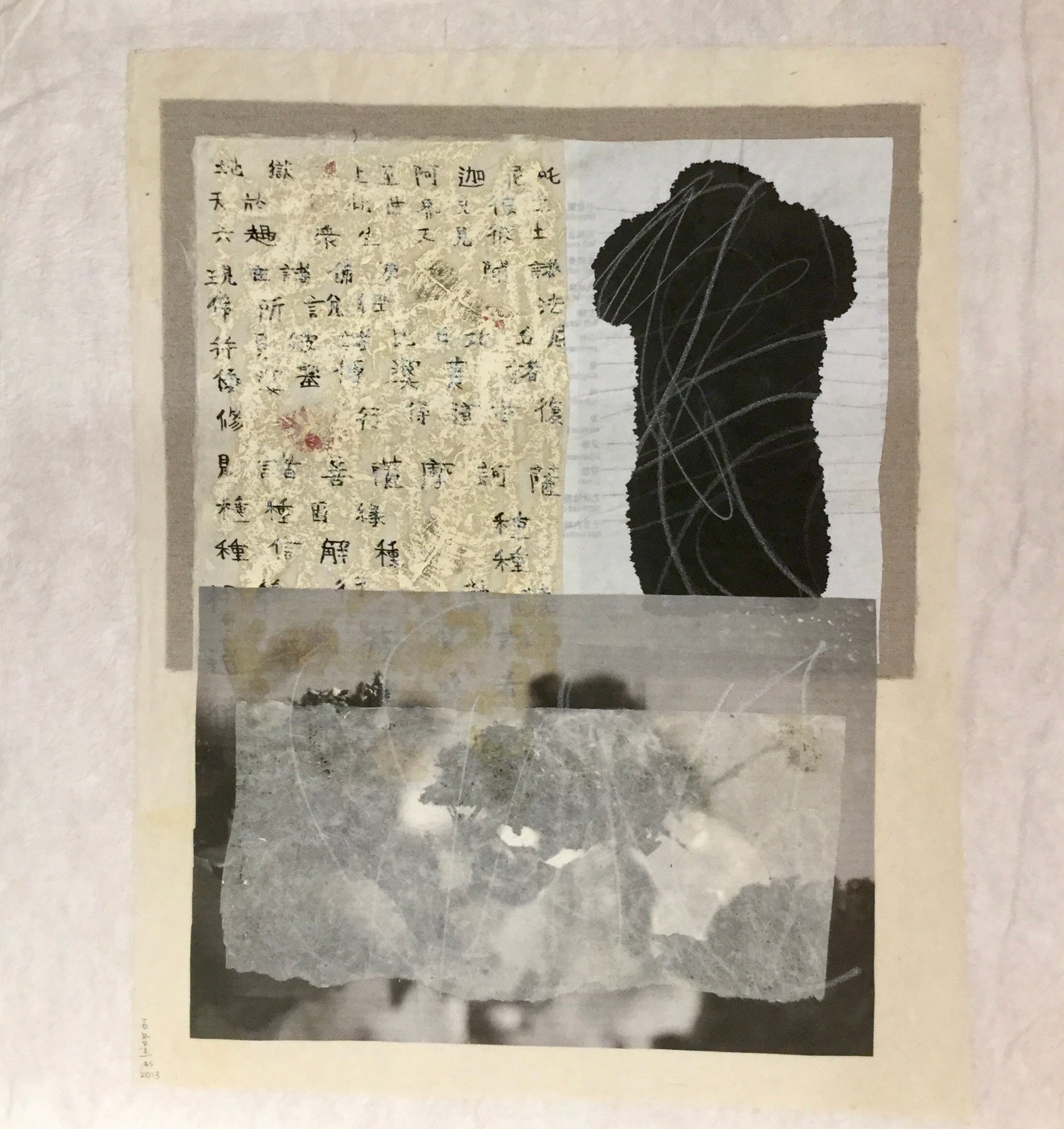
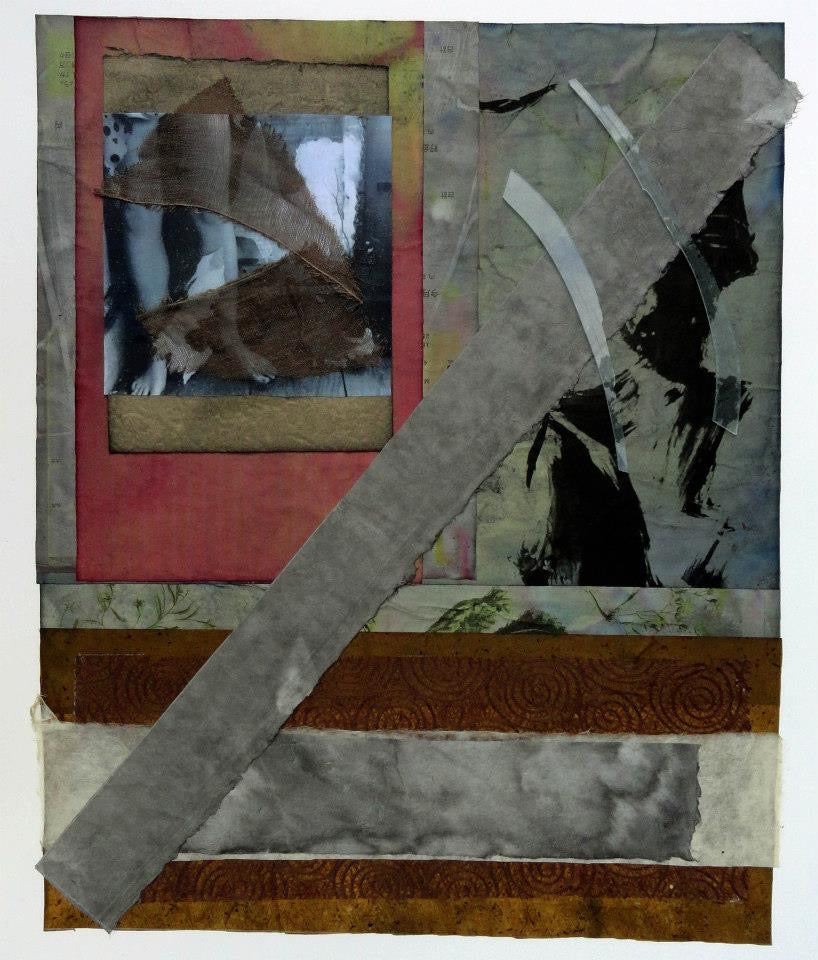
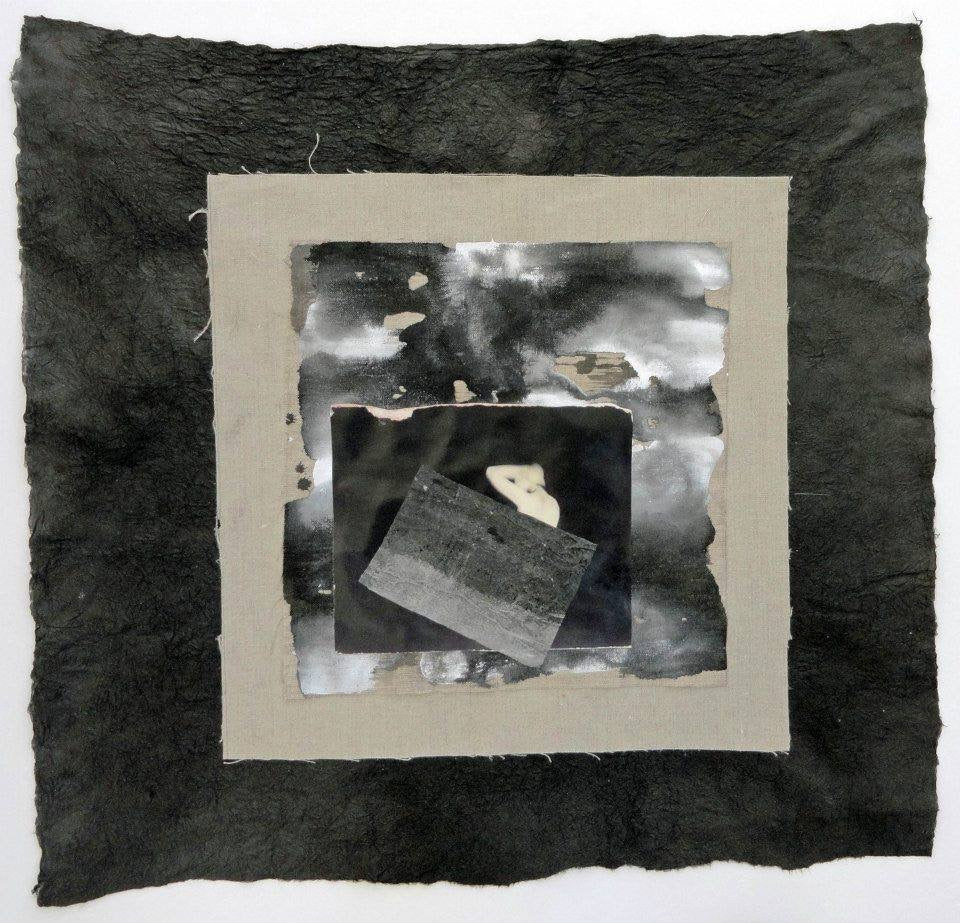
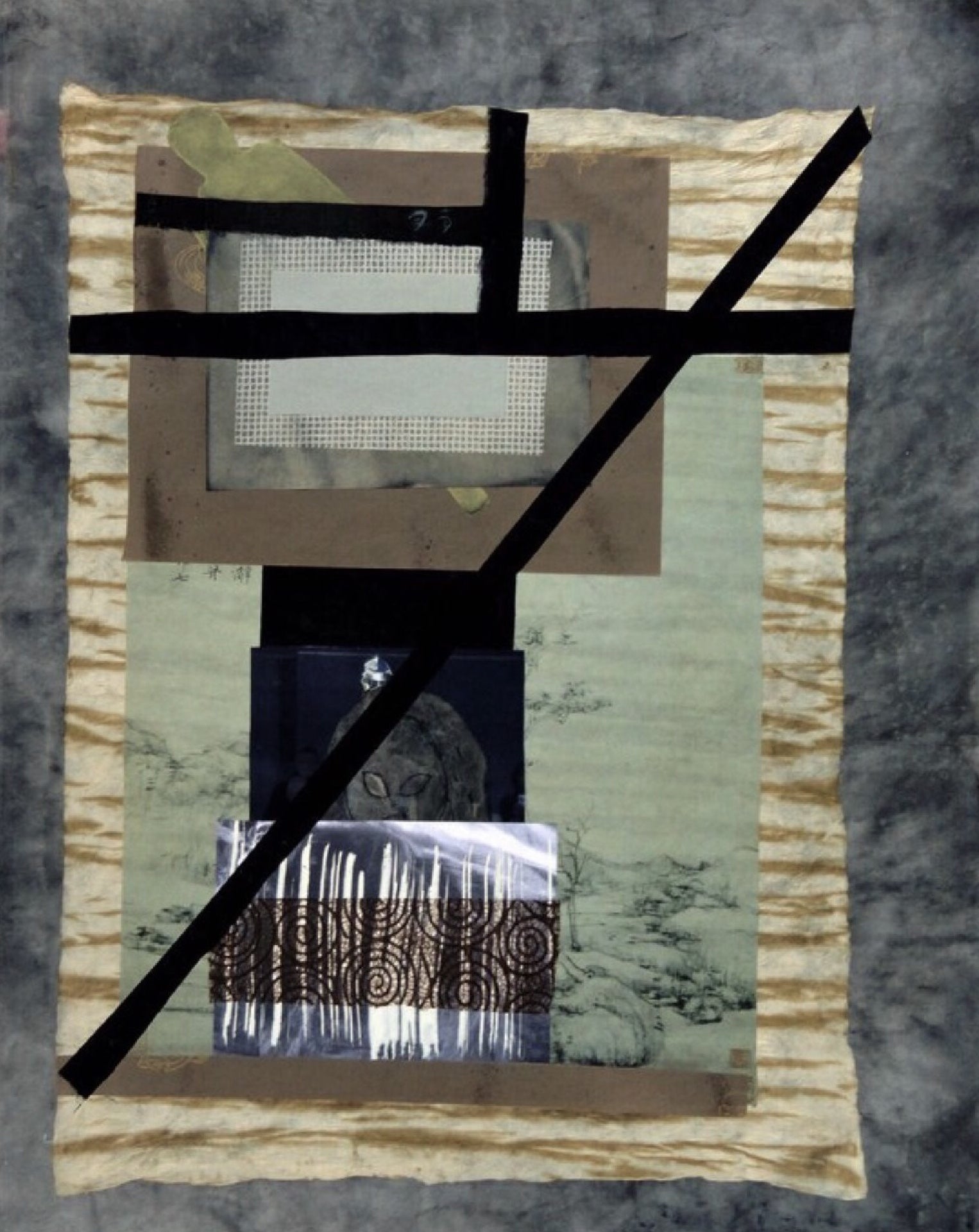
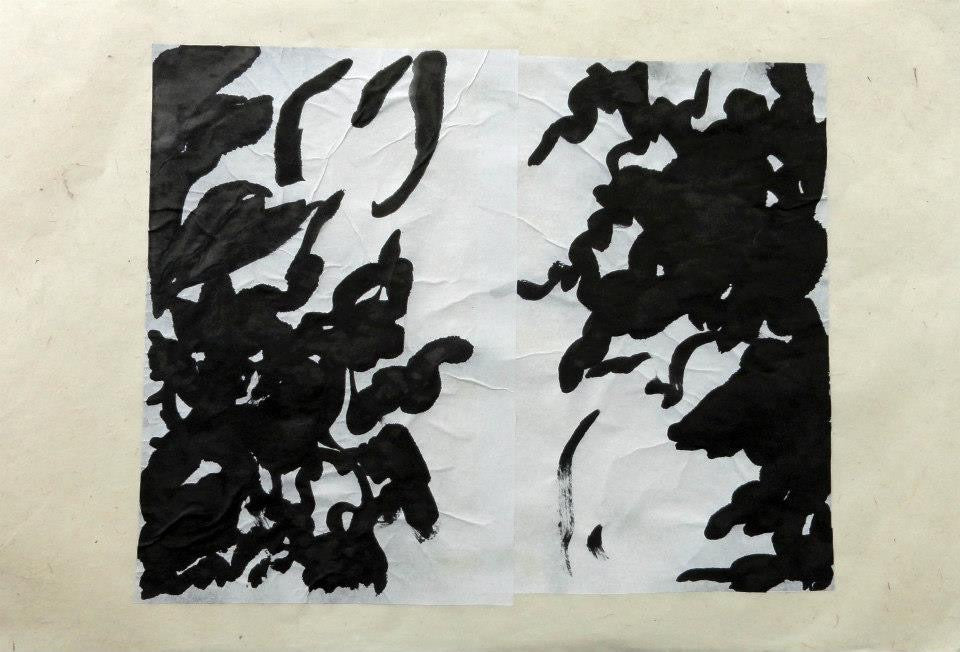
In the Far Eastern countries of Asia, the traditional art of sumi-e has a long and rich history dating back to the ancient Zen masters. This art form, also known as “ink painting,” is characterized by its simplicity, elegance, and deep connection to nature.
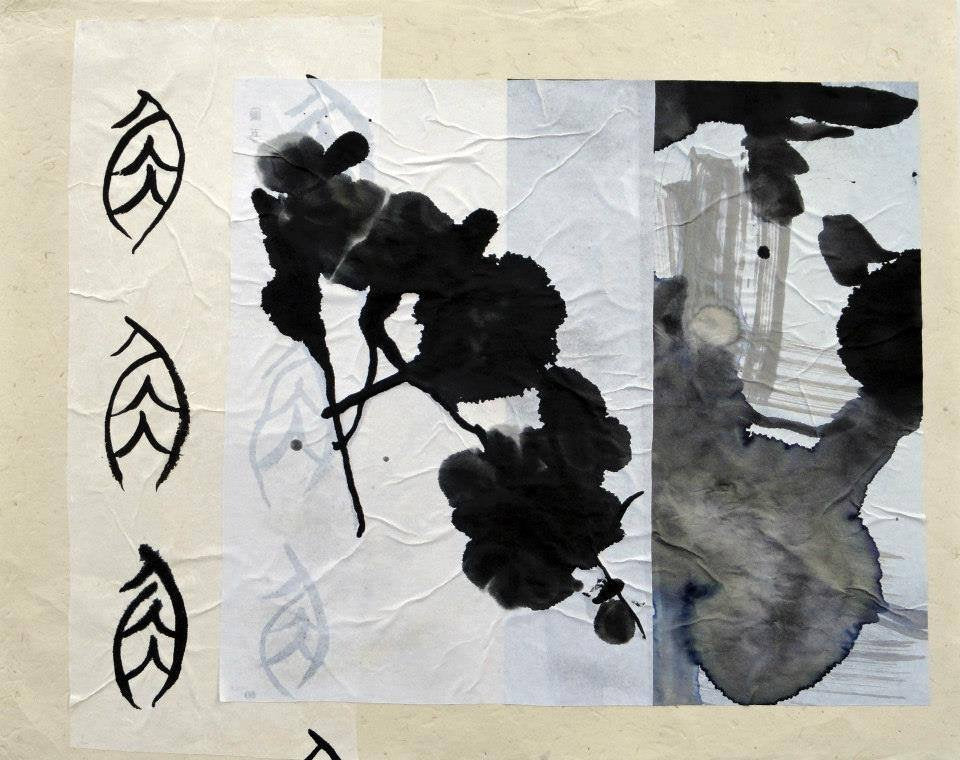
The name “Sumi-e” comes from the Japanese words “sumi” for ink and “e” for painting, and refers to the use of ink as the primary medium. Artists use traditional brushes and inkstones to create their works on rice paper or silk. Through skillful brushstrokes and the sparing use of color, images emerge that are characterized by a profound aesthetic and spiritual significance.
The art of Sumi-e is closely linked to the principles of Zen Buddhism and emphasizes an appreciation for simplicity, emptiness, and the fleeting nature of the moment. Artists strive to capture the essence of a subject with a single brushstroke, thereby capturing the energy and movement of the moment. The goal is not to create an exact copy of reality, but rather to convey the inner spirit of the subject.